
In the medical device industry, supplier collaboration is key to ensuring high-quality products, regulatory compliance, and timely deliveries. However, managing suppliers effectively can be a challenge without the right tools. That’s where Enterprise Resource Planning (ERP) systems come in. A well-implemented ERP software for medical device manufacturers improves communication, boosts transparency, and streamlines operations between manufacturers and their suppliers.
Let’s explore how an ERP for medical device manufacturers enhances supplier collaboration and helps businesses stay competitive in 2025.
1. Centralized Supplier Data for Better Decision-Making
Inconsistent supplier data can lead to miscommunication, delays, and compliance risks. Medical device manufacturers work with multiple suppliers for raw materials, components, and packaging. Keeping track of supplier performance, contracts, and delivery schedules is crucial.

An advanced medical device manufacturing ERP software centralizes all supplier data in a single system, allowing manufacturers to make informed decisions. When manufacturers have access to real-time supplier performance metrics, they can choose the best suppliers, negotiate better contracts, and reduce supply chain risks.
Moreover, a centralized system eliminates the need for scattered spreadsheets and outdated records. It ensures that everyone in the organization has access to up-to-date supplier data, making collaboration more seamless and efficient.
2. Real-Time Communication and Collaboration
Supplier relationships thrive on effective communication. However, traditional communication methods such as emails, phone calls, and manual documentation often lead to delays and misunderstandings. With an ERP software for medical device manufacturers, real-time communication becomes possible, reducing errors and enhancing supplier relationships.

Cloud-based medical device manufacturing ERP software enables suppliers and manufacturers to collaborate on a shared platform. They can exchange data, track order progress, and resolve issues instantly. Automated alerts and notifications further ensure that all stakeholders stay updated on changes in order status, compliance requirements, or production schedules.
Additionally, supplier portals within ERP systems allow vendors to submit quotes, update delivery timelines, and access relevant order information. This level of transparency strengthens supplier collaboration and fosters long-term partnerships.
3. Automated Procurement and Order Management
Manual procurement processes often cause delays and inefficiencies in the supply chain. Managing purchase orders, approvals, and supplier payments can be complex and time-consuming. An ERP for medical device manufacturers automates procurement, making order management more streamlined and accurate.
With automated procurement workflows, purchase orders can be generated and sent to suppliers instantly. The system can also enforce approval processes to ensure compliance with industry regulations. Moreover, real-time tracking of orders helps manufacturers prevent stock shortages and maintain production schedules.
By integrating procurement with supplier management, ERP software enables businesses to create a seamless procurement-to-payment cycle, reducing administrative work and increasing efficiency.
4. Compliance and Quality Control in Supplier Collaboration
Medical device manufacturing is a highly regulated industry, requiring strict adherence to FDA, ISO, and other global compliance standards. Supplier quality directly impacts product safety, making compliance management an essential part of supplier collaboration.
Medical device manufacturing ERP software includes quality control features that help manufacturers ensure suppliers meet compliance standards. From supplier audits to real-time tracking of materials, ERP systems provide visibility into supplier quality at every stage.
Additionally, automated compliance checks help manufacturers avoid risks of non-compliant materials entering production. By maintaining thorough records of supplier certifications and audit histories, manufacturers can ensure continuous compliance and be prepared for regulatory inspections at any time.
5. Improved Demand Forecasting and Inventory Management
Supplier collaboration depends on accurate demand forecasting. Without clear visibility into production needs, manufacturers may face supply shortages or overstocking, both of which impact profitability.

An ERP software for medical device manufacturers integrates demand forecasting with inventory management, ensuring suppliers receive accurate order forecasts. This helps suppliers prepare in advance, reducing delays and disruptions in the supply chain.
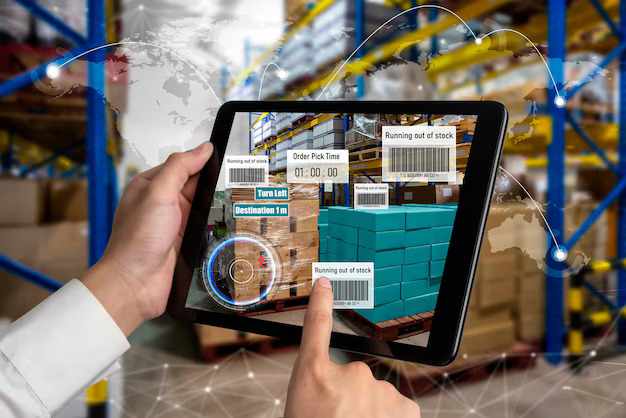
Moreover, real-time inventory tracking allows manufacturers to adjust procurement strategies based on actual stock levels. Automated reorder points ensure that manufacturers never run out of critical materials while avoiding excess inventory storage costs.
6. Performance Analytics and Continuous Improvement
To strengthen supplier collaboration, manufacturers must assess supplier performance regularly. A medical device manufacturing ERP provides built-in analytics tools to measure supplier reliability, delivery accuracy, and quality consistency.
With ERP-generated reports, manufacturers can identify underperforming suppliers and take corrective actions. Performance dashboards offer visual insights into supplier trends, helping businesses improve procurement strategies.
Additionally, ERP-driven data allows manufacturers to work collaboratively with suppliers on process improvements. By sharing performance analytics with suppliers, manufacturers can encourage better quality control, faster deliveries, and cost-saving innovations.
Strengthen Supplier Collaboration with TheERPHub

Effective supplier collaboration is essential for success in the competitive medical device industry. A robust ERP for medical device manufacturers ensures seamless communication, efficient procurement, regulatory compliance, and improved supplier relationships. By implementing medical device manufacturing ERP software, businesses can enhance supplier collaboration, streamline operations, and achieve sustainable growth.
At TheERPHub, we specialize in providing tailored ERP solutions for medical device manufacturers. Our industry-specific ERP software helps businesses manage suppliers, improve operational efficiency, and ensure compliance with ease. If you're ready to transform your supplier collaboration, contact us today and experience the power of a cutting-edge medical device manufacturing ERP system!








Write a comment ...